Tin (Kevin) Nguyen
I am a PhD student in Computer Science at
Auburn University, working with
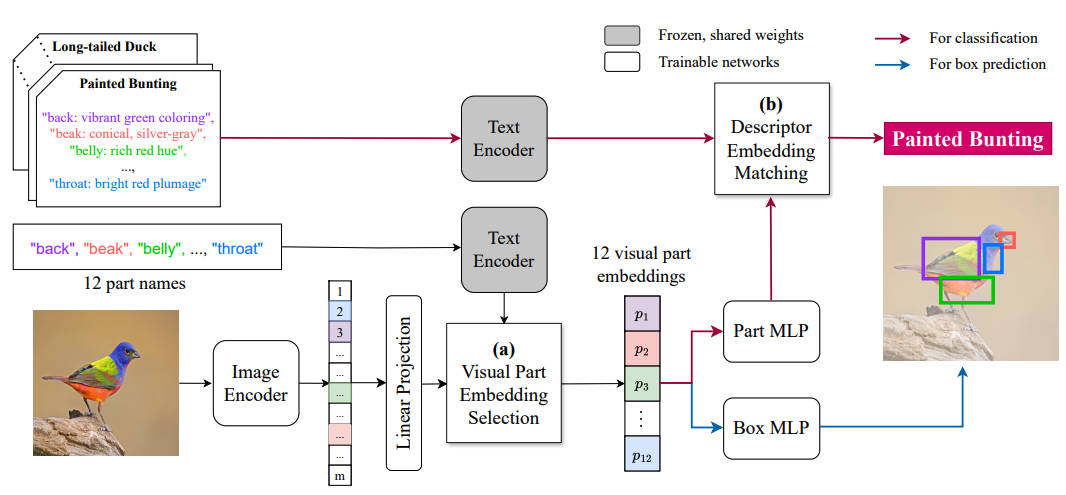
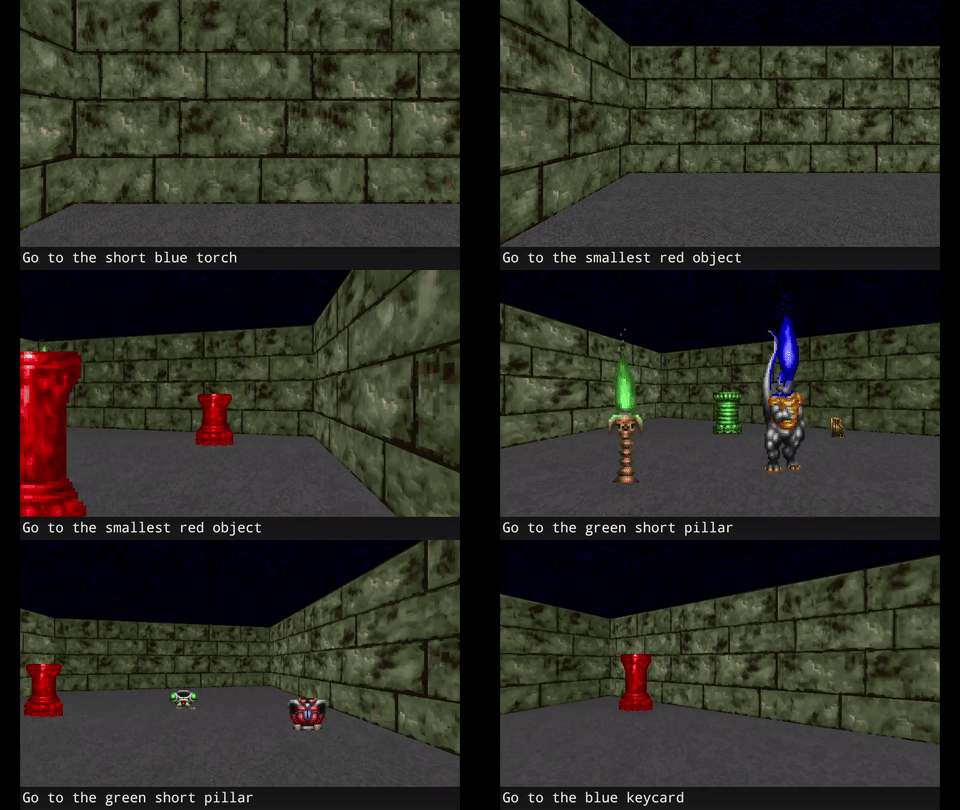
Prof. Anh Totti Nguyen and Prof. Chirag Agarwal at UVA. I work on Explainable AI, and Human-AI Interaction. I am particularly interested in improving human-AI workflows, and measuring frontier AI performance.
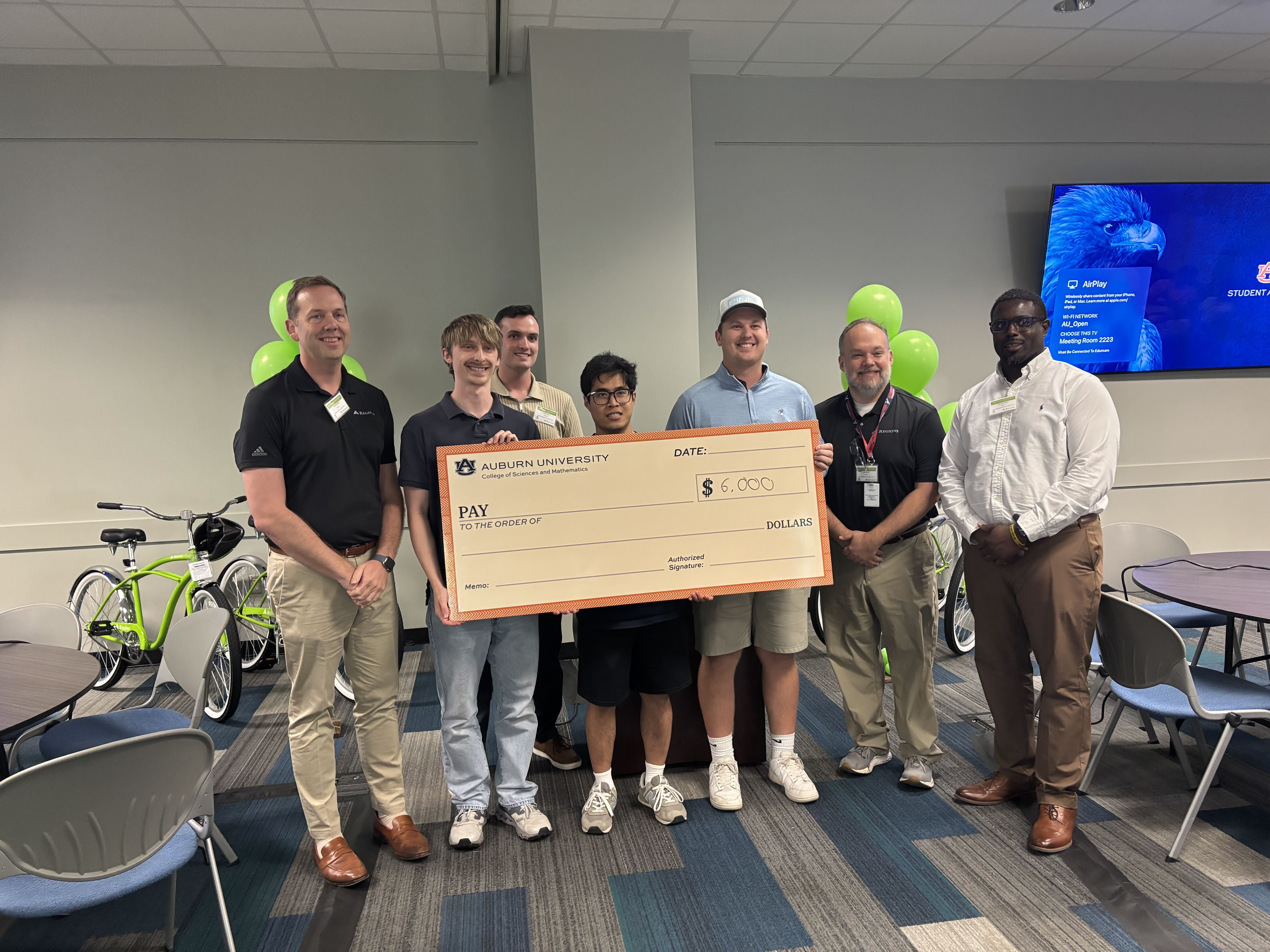
🏆 News: Led a three-person team to a top-1 finish at AUC and won Second Prize ($6,000) at the Regions Banking Hackathon.
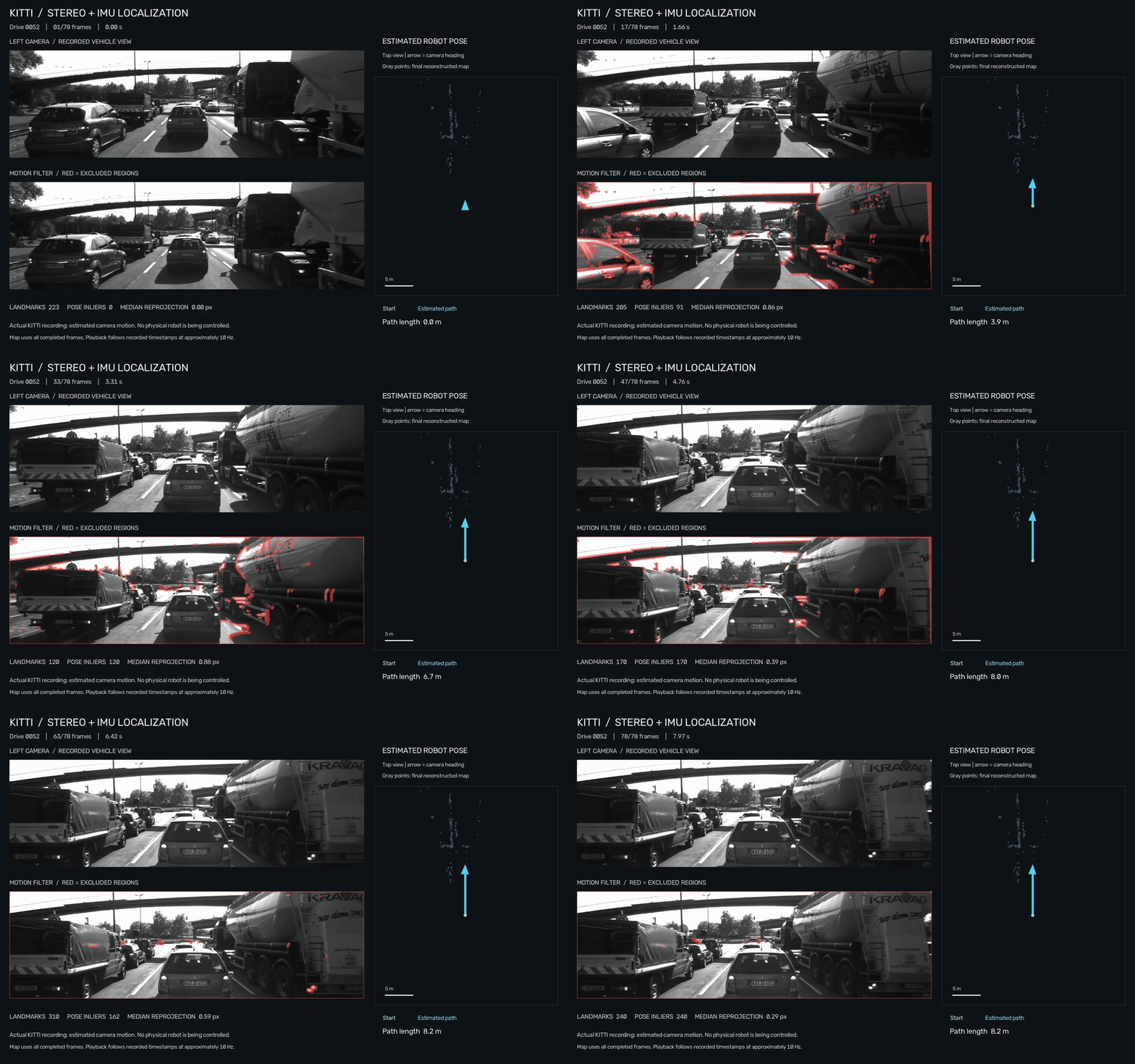
Publications my favorites () | patents () | others ()
Teaching
- Teaching Assistant for Formal Languages, Machine Learning, and Security at Auburn University
- Teaching Robotics for kids at K-6 AI Club at Auburn University
Mentoring
- Truong Thoi Thang, CS PhD student at Auburn University, 2026-Now
Academic Service
- Area Chair for Interpreting Agent Behavior (IAB) (NeurIPS 2026)
- Program Committee (PC) for IUI 27 (Intelligent User Interfaces)
- Reviewer for ML Conferences: ARR Rolling Review (ACL, EMNLP, NAACL), Evaluation of Interactive Agents (NeurIPS 2026), Interpreting Agent Behavior (IAB) (NeurIPS 2026)
- Reviewer for HCI Conferences: UIST, HAI, IUI
- Reviewer for Journals: Knowledge-based Systems
Education
Work Experience
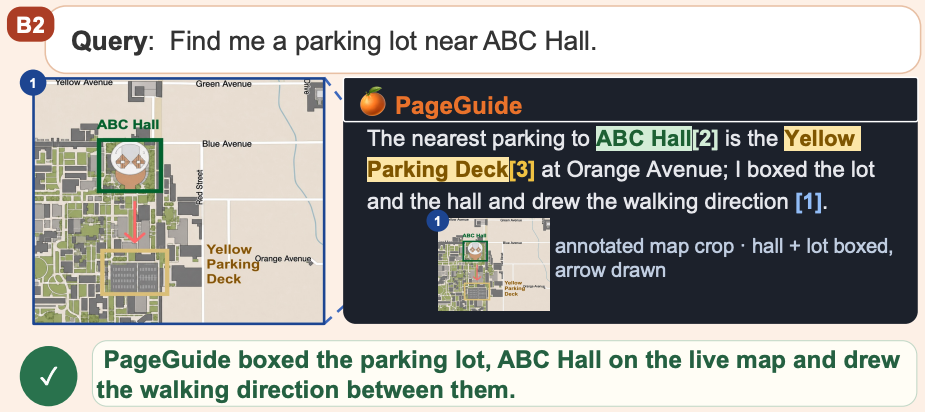
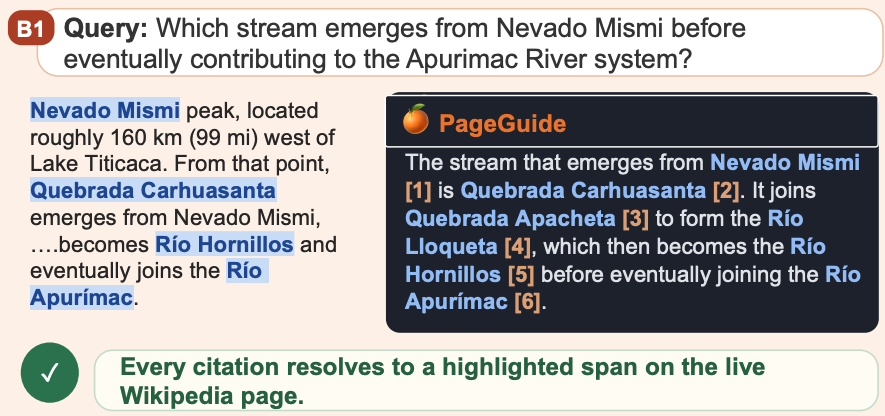
- Developed a multimodal web agent that browses websites and captures evidence (text, images, charts) at every navigation step
- Developed a defense against model distillation attacks, in which an adversary copies a proprietary model by training on its outputs
- Built three video-analysis systems: automatically reading car license plates, tracking a moving ball, and recognizing the same person across different cameras
- Built an optical character recognition (OCR) model for handwritten Japanese text in scanned bills and documents
- Built an arcade game using Cocos2d-x (C++)
Honors & Awards
Skills
 Python
 C/C++
C/C++

 HTML/CSS
 JavaScript
 TypeScript
 R
R
 MCP
MCP
 PyTorch
 TensorFlow
 Hugging Face
vLLM
Hugging Face
vLLM
 LangChain
 LangGraph
Tinker
LangGraph
Tinker
 Weights & Biases
 FastAPI
 React Native
 Node.js
 Next.js
 ROS
ROS
 PostgreSQL
 SQLite
 Supabase
 Redis
Redis
 Neo4j
Neo4j
 Docker
AWS
Docker
AWS
 Azure
Azure
 GCP
GCP
 CI/CD
CI/CD
 RabbitMQ

 Vim / Neovim
 WezTerm
 tmux
tmuxProjects
Resources
Links and course materials I keep coming back to.
Job Application Tips
Practical notes summarized from Karen Kelsky’s The Professor Is In, focused on presenting an academic record clearly, specifically, and with evidence.
Writing Strong Job Documents
- Lead with facts and evidence rather than emotion, enthusiasm, or unsupported claims.
- Edit aggressively: remove lists, repetition, filler, and details that do not serve the specific application.
- Write as a future colleague—not as a supplicant—and get repeated feedback from experienced readers.
Writing a Strong Cover Letter
- Use professional formatting, normal business-letter conventions, and approximately two pages for an early-career application.
- Show evidence of research, teaching, publications, future plans, and collegial contributions instead of making generic claims.
- Move quickly from the dissertation to its broader contribution, publications, second project, teaching, and specific departmental connections.
- Tailor every letter to the job, department, programs, faculty, and campus; avoid flattery and vague “fit” statements.
Building a Strong Academic CV
Core idea: Treat the CV as an actively built record of the career you want—not a passive list of everything you have done.
- Build deliberately: Review the CV monthly and aim to add meaningful progress, such as a publication, grant, invited talk, course, or professional service contribution.
- Choose quality over quantity: Prioritize peer-reviewed publications, competitive grants, major conferences, and substantive teaching experience over easy, low-status lines.
- Format for scanning: Use consistent type, one-inch margins, clear headings, left-aligned entries, and visible years. Keep the layout simple and easy to update.
- Use a CV, not a résumé: Avoid boxes, columns, decorative graphics, narrative paragraphs, personal stories, and descriptions of routine duties.
- Organize the record: Include education, professional appointments, publications, awards, grants, invited talks, conference activity, teaching, research, service, skills, memberships, and references as appropriate for your field.
- Lead with competitive work: Give the most status and visibility to peer-reviewed publications, significant funding, recognized awards, invited talks, and other externally evaluated accomplishments.
- Show real teaching: Solo-instructor experience is stronger evidence than TA work. If needed, develop realistic syllabi and course proposals for classes you can teach.
- Keep service proportional: Service matters, but it should not crowd out research, grants, teaching, or conference activity.
- Follow local norms: Publication conventions, coauthorship, conference proceedings, section order, and expected length vary by discipline and country; check with trusted experts.
Practical test: For every new line, ask whether it advances your research, teaching, funding, visibility, or target career. If not, spend that time on a stronger accomplishment.
Writing a Strong Teaching Statement
- Keep it concise—typically one page—and replace a life story with a clear teaching principle supported by evidence.
- Use specific courses, assignments, methods, and outcomes; show what students did and what they learned.
- Avoid clichés, excessive emotion, humility, and claims such as “I am passionate about teaching.”
- Adapt the emphasis to the institution, connect teaching to research, and end with a strong statement of broader educational purpose.
Presenting Evidence of Teaching Effectiveness
- Choose relevant, teachable syllabi with clear descriptions, appropriate workloads, assignments, and policies.
- Make proposed courses appealing to students, innovative, connected to the position, and complementary to existing offerings.
- List courses, levels, and enrollment briefly; summarize evaluations rather than sending an overwhelming archive.
- Prioritize evidence from courses where you were the primary instructor over routine TA materials.
Writing a Strong Research Statement
- Usually keep it to about two pages in the humanities and soft social sciences; follow field-specific norms elsewhere.
- Center the research: explain the overarching agenda, dissertation argument, methods, contribution, publications, and future work.
- Include a distinct second project so the record shows continuity, independence, and a sustainable research trajectory.
- Use confident, active language; minimize “interest” talk, grand claims, negativity, unnecessary citations, and references to other application documents.
Writing a Diversity Statement
- Connect awareness of inequity and access to concrete choices in teaching, research, mentoring, and service.
- Use specific experiences, practices, and outcomes rather than identity claims or vague commitments.
- Show how you work with students from different backgrounds and prepare them to participate in a diverse society.
Writing a Dissertation Abstract
- Frame the big disciplinary problem, briefly position the literature, identify a gap, and present your project as the response.
- Summarize the material, theory, methods, chapter contributions, original argument, and wider significance.
- Keep the research and contribution central; avoid process narratives, jargon, literature-review overload, and empty adjectives.
Learning Vim
- I became a keyboard warrior (Luysru) A YouTube video about going keyboard-first with Vim.
- Vim Adventures A browser game that teaches Vim movements and commands as you play.
- Vim Hero Interactive, hands-on lessons for learning Vim in the browser.
- Vimwise My own web app for learning Vim, inspired by Vim Hero.
Statistics in HCI
- Yatani: Statistical Methods in HCI A practical guide to the statistical tests commonly used in HCI research, with examples in R.
- How to Report an F-Statistic Scott MacKenzie's short note on reporting ANOVA results correctly.
- Penn State STAT 502: ANOVA and Design of Experiments Full course notes on ANOVA and experimental design.
Human-Robot Interaction
- Bajcsy: Human-Robot Interaction Course materials and notes on the algorithmic foundations of human-robot interaction.
JdeRobot Robotics Academy
- JdeRobot: Robotics Academy Exercises Hands-on robotics exercises (perception, navigation, driving, drones) built on ROS/Gazebo.